Articles
Each article explains one idea, how to try it at home or in class, and what the research does and does not say. Sources are linked at the end of each article, with a note on how far each one applies.

Daily ratings between home and school: what helps
How a quick daily rating from the teacher, and a short talk at home, can help a young child connect what they do with how the day goes.
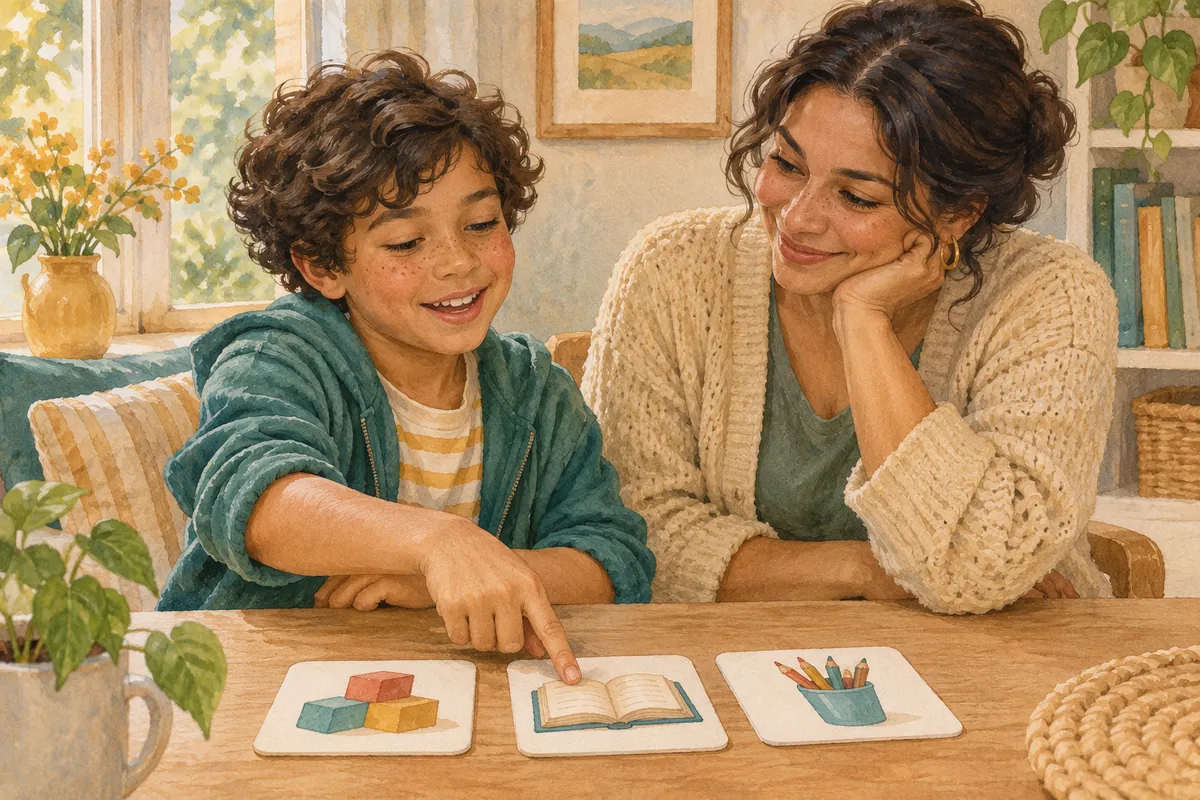
Let children rate their own day first
Why asking a child to rate their own day before they hear an adult’s view builds honest self-checking, and how to do it kindly.
Chess and children’s thinking: what the studies really show
Chess is a wonderful game for planning and learning from losses. Here is what the research says, and does not say, about chess and school results.
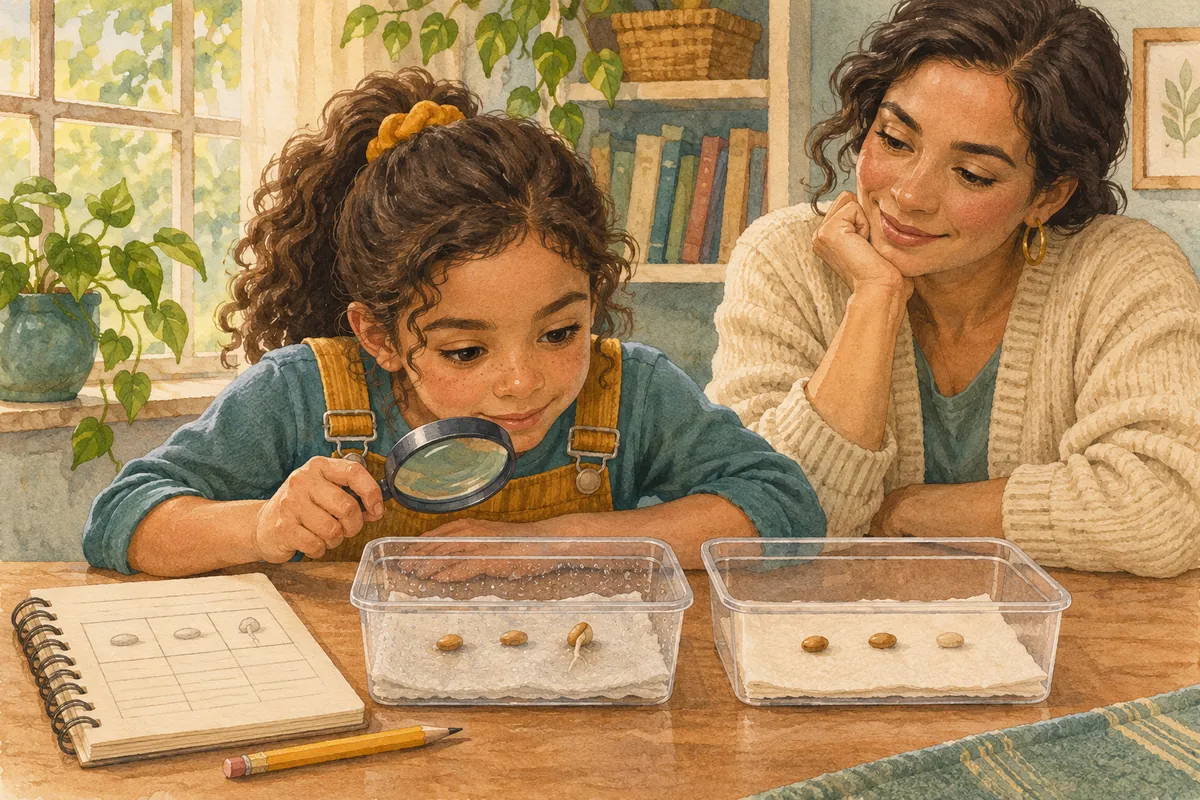
Puzzles, building and making: honest about what we know
Puzzles, block building and making projects are great for persistence and planning. Here is how to support them, and why we label them as ideas to test.
Short practice that sticks: quizzing, spacing and math facts
Why short, spaced practice rounds help children remember math facts and words, and how to use practice games without turning them into a race.
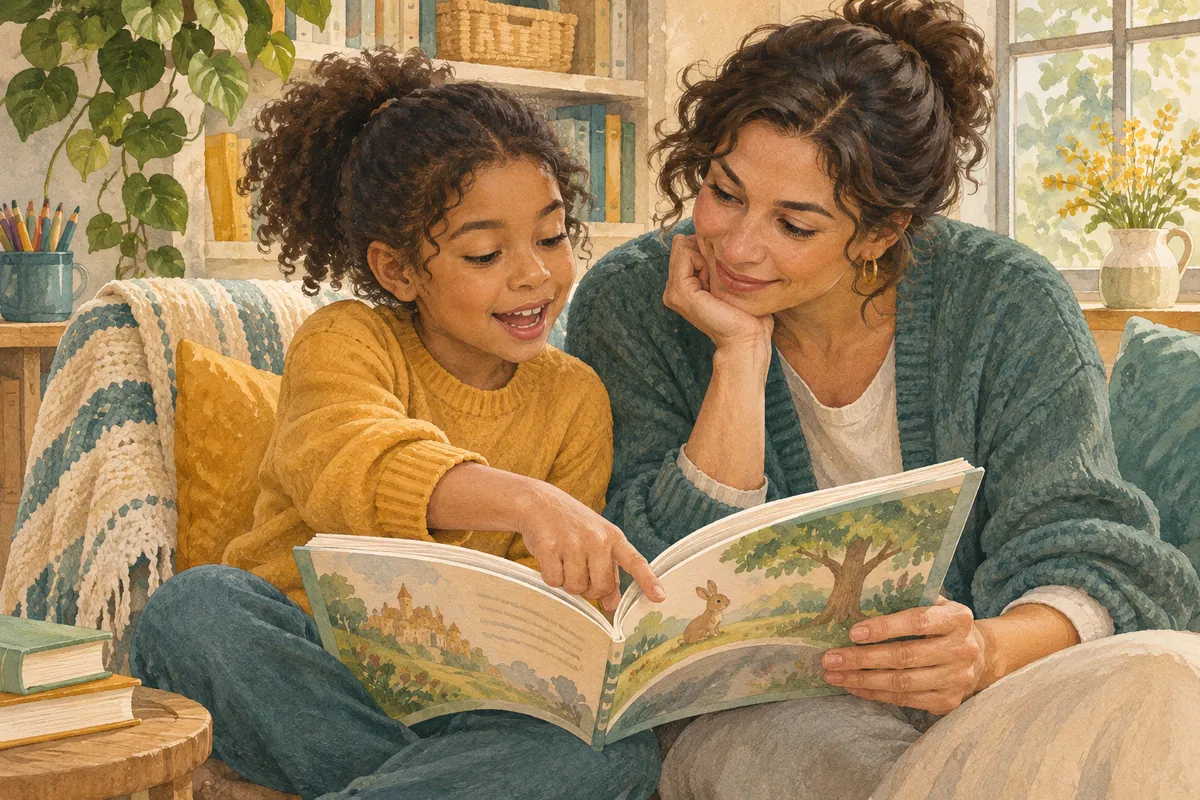
Helping K–3 readers understand what they read
Simple ways to build reading comprehension at home: retelling, good questions, thinking aloud about hard words, and when to ask the teacher about decoding.
Question, guess, build, test: hands-on science at home
A simple cycle for science and building challenges at home, with questions that help children explain their thinking and learn from a test that does not work.
Rewards and praise: keeping motivation alive
How to use points, rewards and praise so they help a child build new habits without crowding out the joy of the activity itself.
Naming feelings and talking through choices
Everyday ways to help children name feelings, make kind choices and think about how a choice affects other people, without lectures or labels.
Screens, focus and good stopping points
How to choose and use learning apps and videos with young children: sit together, look for natural stopping points, and practice focus in short, chosen bursts.
How we label research on this site
Every article and every part of MySoarBoard carries one of three evidence labels. Here is what each label means, and why we say where the research stops.